
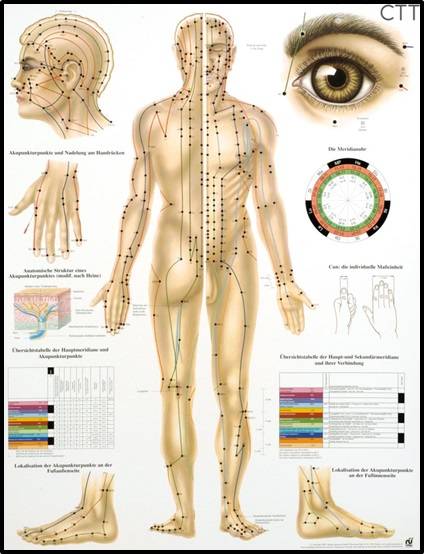
Muscle Treatments
Muscle pain and muscular disorders make up a significant portion of health problems.
These pains can result from overuse, injury, strain, poor posture, or underlying medical conditions.
Fortunately, various therapeutic methods exist to relieve pain and improve muscle function. These methods are generally divided into two main categories: non‑invasive treatments and, when necessary, medical interventions.
Non‑invasive and Supportive Treatments
1. Rest and reduced activity: In cases of mild strain or injury, resting the affected muscle and avoiding activities that worsen the pain is the first and most important step.
2. Cryotherapy (Ice therapy): Applying a cold compress or ice immediately after an acute injury (within the first 24 to 72 hours) helps reduce swelling, inflammation, and pain.
Ice should be applied intermittently and with skin protection.
3. Thermotherapy (Heat therapy): After the initial inflammation decreases, using heat (such as a heating pad or warm bath) can help relax tight muscles, increase blood flow, and accelerate healing.
4. Stretching: Gentle and proper stretching movements, especially after warming up the muscles, improve flexibility, reduce muscle tightness, and enhance range of motion.
5. Massage therapy: Professional massage by a physiotherapist or trained massage therapist can help release muscle knots (myofascial trigger points), reduce spasms, improve blood circulation, and relieve pain.
6. Over‑the‑counter medications: Common pain relievers such as acetaminophen and non‑steroidal anti‑inflammatory drugs (NSAIDs) like ibuprofen and naproxen can help reduce pain and inflammation.
Medical and Specialized Treatments
1. Physiotherapy: Physiotherapists use specialized techniques such as ultrasound, TENS (electrical muscle stimulation), and targeted strengthening and stretching exercises to restore strength, flexibility, and normal muscle function.
2. Injections: In cases of severe pain caused by persistent muscle knots resistant to other treatments, a doctor may recommend injections of anesthetics or corticosteroids into the painful area.
3. Surgery: Surgery is generally considered a last resort for conditions such as complete muscle tears, tendon repair, or removal of muscular cysts.
Conclusion
The best treatment method depends on the cause, severity, and location of muscle pain.
A combination of rest, physical therapy, and, when necessary, medical interventions can often lead to full recovery and restoration of normal muscle function.
Consulting a physician is essential for accurate diagnosis and receiving an appropriate treatment plan.